
Best Estrogen Blocker for Men: AIs, SERMs and What Works
The Term Covers Three Different Products
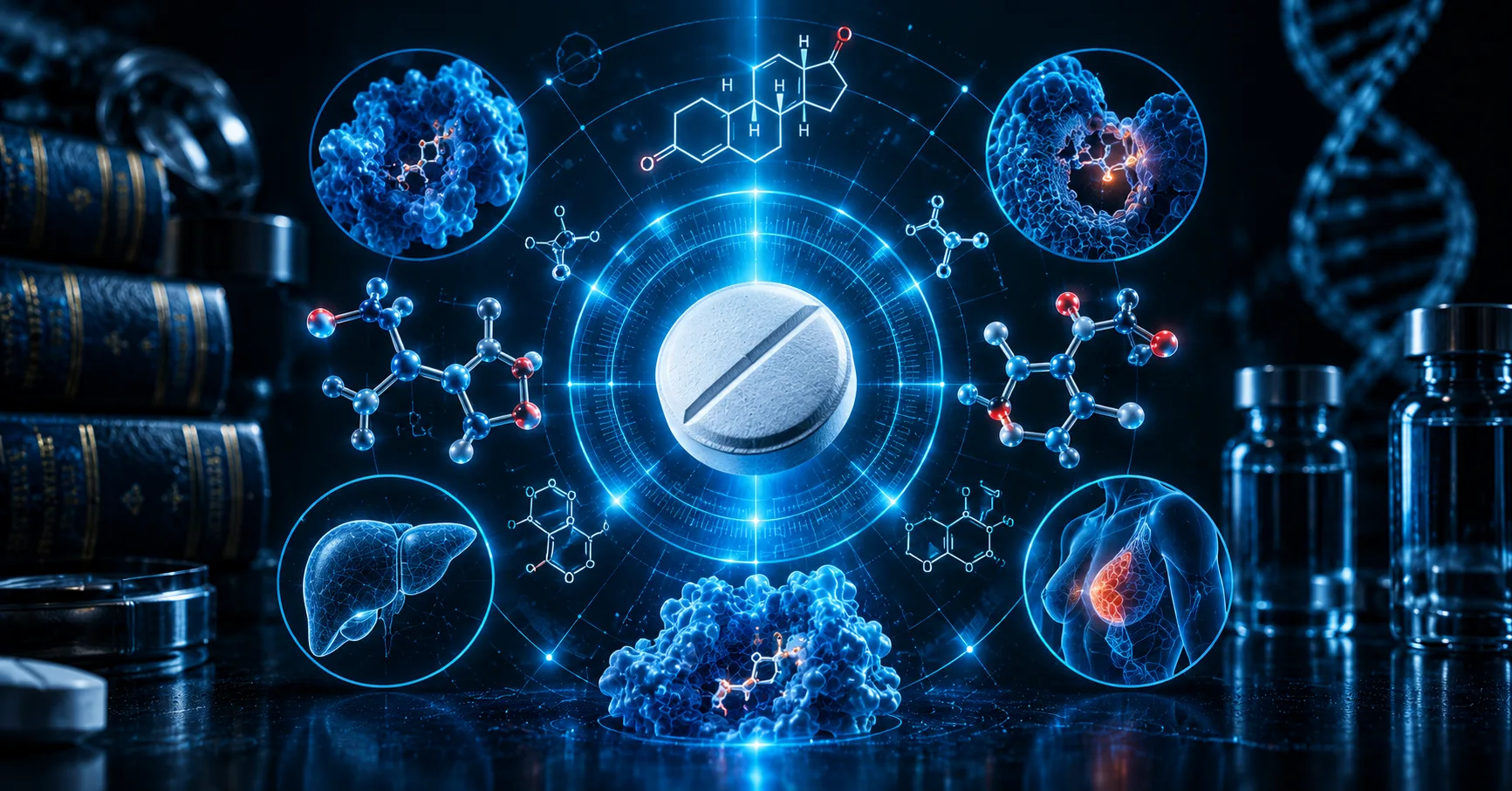
"Estrogen blocker for men" is used to sell three things that have almost nothing in common. Aromatase inhibitors are prescription drugs that stop testosterone converting to estradiol; they lower estrogen everywhere in the body and are the only class that controls estrogen on a steroid cycle. SERMs are prescription drugs that block estrogen receptors in specific tissues while leaving blood estrogen unchanged; they are the tool for PCT and gynecomastia. Over-the-counter "estrogen blockers" such as EstroControl, Estro Guard and DIM capsules are supplements that shift estrogen metabolism modestly, if at all, and cannot do the job of either drug.
So the best estrogen blocker for men is not a single product. It is the compound that matches the phase you are in: a cycle at 500 mg of testosterone, a PCT, a TRT protocol, or a natural man with a blood test showing slightly high estradiol. This guide ranks each class for each situation, explains what the popular OTC products actually contain, and sets out how to tell from blood work whether you need any of them.
Key takeaway: on cycle, only an aromatase inhibitor blocks estrogen. In PCT, only a SERM restarts testosterone. Over the counter, nothing does either job; the best OTC products support estrogen metabolism in a man whose levels are only mildly raised.
How AIs and SERMs Work Differently
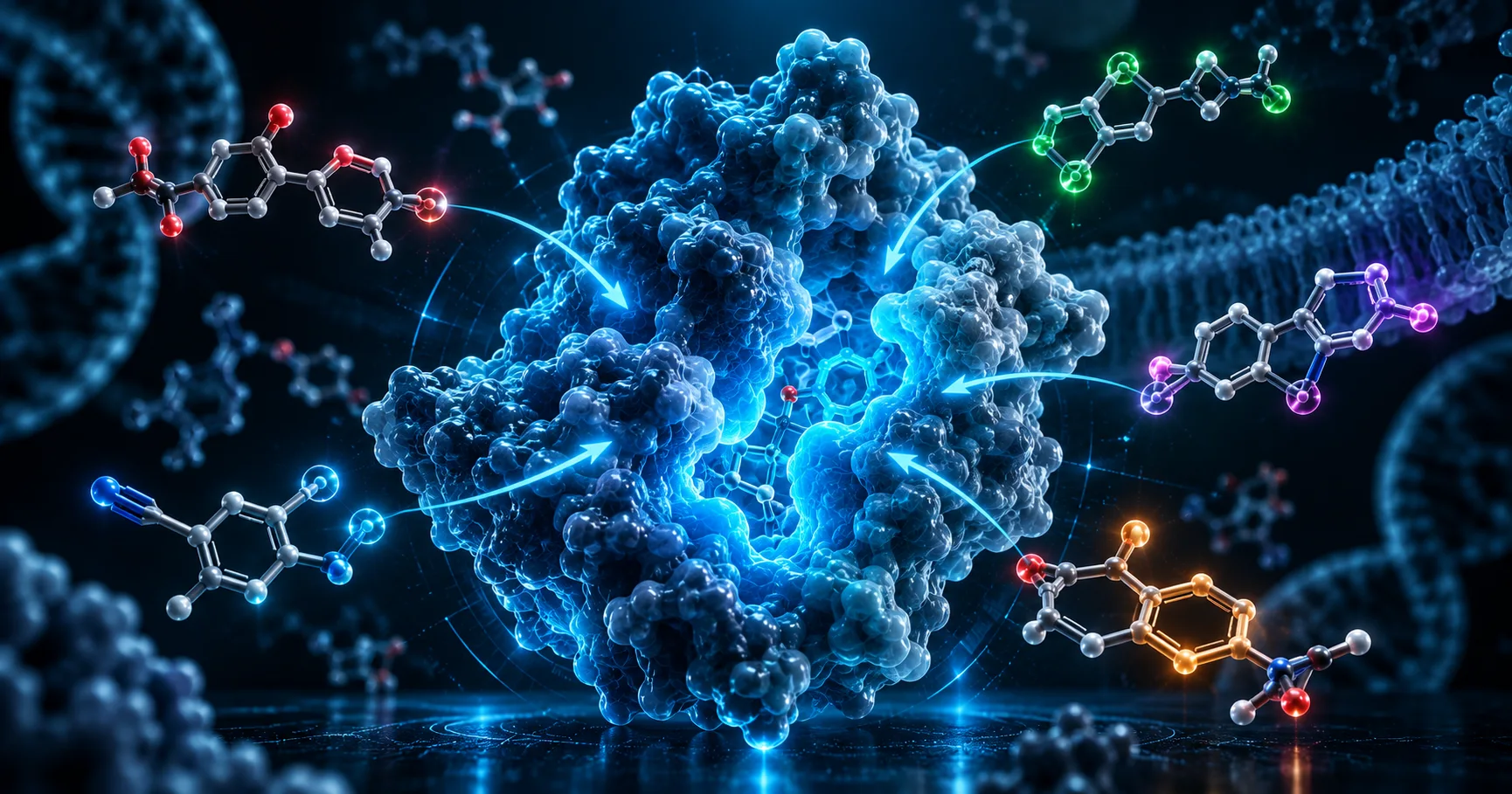
Aromatase inhibitors reduce estrogen production. They disable the aromatase enzyme that turns testosterone into estradiol, so less estrogen is made and blood levels fall across every tissue. That makes an AI the right tool when the problem is too much estrogen being produced, which is what happens whenever testosterone is supraphysiological.
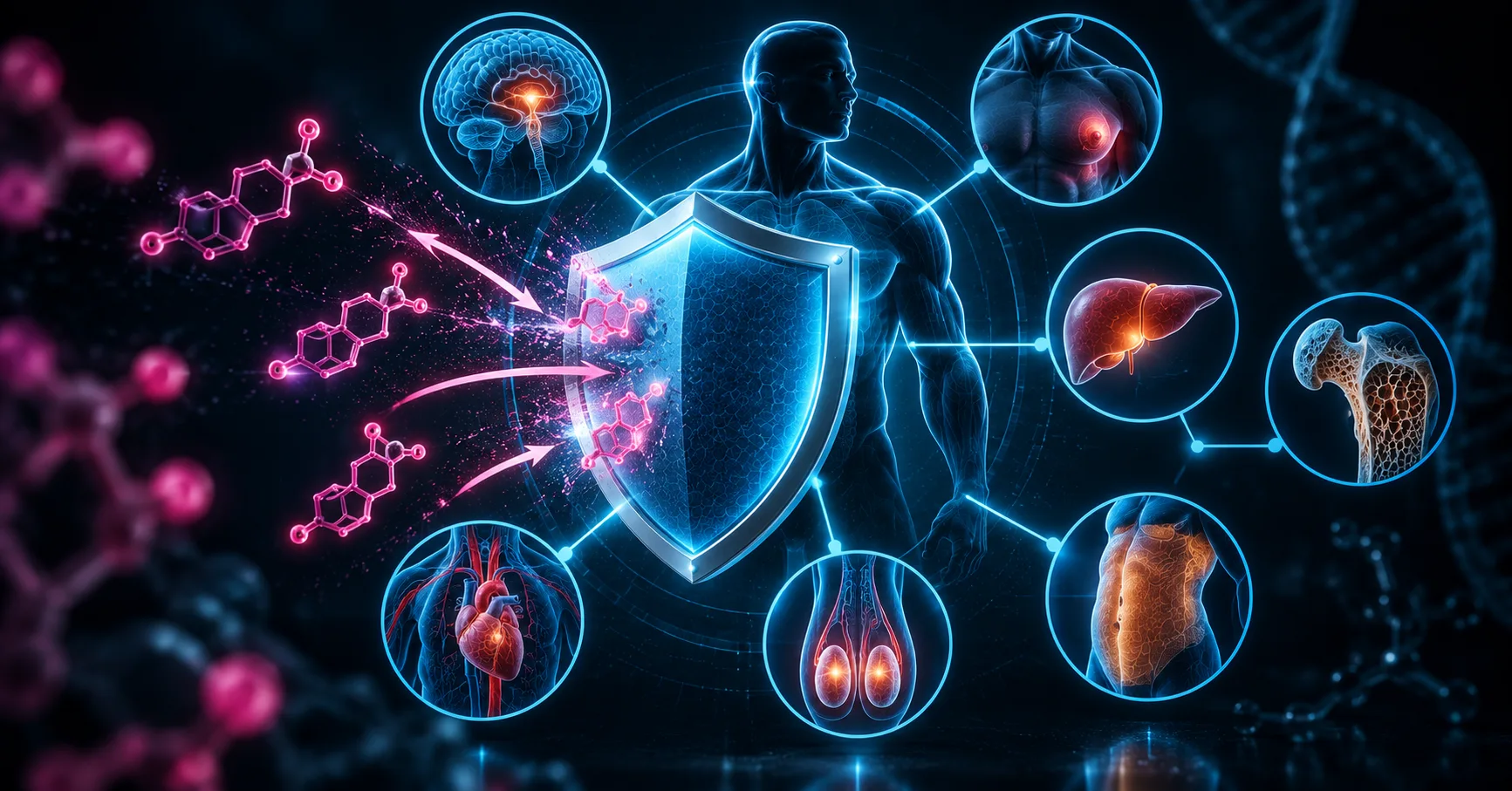
Selective estrogen receptor modulators do not reduce estrogen. Tamoxifen and clomiphene sit on estrogen receptors in the breast, hypothalamus and pituitary and block estrogen's signal there while leaving it active in bone and blood vessels. Blocking the receptor at the hypothalamus removes the negative feedback that suppresses LH and FSH, which is why SERMs restart natural testosterone after a cycle. It is also why a SERM protects against gyno without lowering estradiol on a blood test.
Using a SERM in place of an AI on cycle leaves circulating estrogen high and produces water retention and blood pressure problems with no gyno. Using an AI in place of a SERM in PCT controls estrogen but gives the testes no signal to restart. The two classes are not interchangeable, and most bad outcomes with "estrogen blockers" come from using one where the other was needed. The aromatase inhibitors for men guide covers when an AI is warranted at all.
Best Estrogen Blocker for Men on Cycle: Aromatase Inhibitors
For men on anabolic steroid cycles the answer is an aromatase inhibitor, and in most cases it is exemestane.
Aromasin (exemestane) is steroidal and irreversible: each enzyme it binds is permanently deactivated, and estrogen only returns as new enzyme is synthesised. That gives stable suppression on every-other-day dosing, a slow and forgiving recovery if you overshoot, and compatibility with a SERM during PCT. The Aromasin dosage guide sets starting doses by testosterone level; 12.5 mg EOD covers most men at 400–600 mg per week.
Arimidex (anastrozole) is non-steroidal and reversible, with a 50-hour half-life and 0.25 mg dosing granularity that suits low testosterone doses. Its drawback is a documented blunting of the FSH and LH response to GnRH, which makes it a poor fit for PCT. The Aromasin vs Arimidex comparison sets the two side by side, including the MA.27 trial data on bone and lipids.
Letrozole (Femara) is the strongest of the three and suppresses estrogen almost completely at 2.5 mg. It has a place in reversing existing gyno under supervision, not in routine cycle management, because the therapeutic window is narrow and a crash on letrozole takes a week to recover from.
Prescription estrogen blockers for men compared
Aromasin (exemestane)
AI, steroidal
12.5–25 mg EOD
On cycle, PCT bridge, TRT if needed
Arimidex (anastrozole)
AI, non-steroidal
0.25–0.5 mg EOD
Low-dose cycles, TRT titration
Letrozole (Femara)
AI, non-steroidal
0.5–2.5 mg, short runs
Gyno reversal only
Nolvadex (tamoxifen)
SERM
20–40 mg daily
PCT, gyno prevention
Clomid (clomiphene)
SERM
25–50 mg daily
PCT
SERMs: The Right Estrogen Blocker for PCT
SERMs are the correct estrogen blocker for men in post-cycle therapy, and the two in use are tamoxifen and clomiphene.
Nolvadex (tamoxifen) blocks estrogen receptors at the pituitary and hypothalamus, lifting the brake on GnRH and restoring LH and FSH output. Standard PCT: 40 mg daily for two weeks, then 20 mg daily for two weeks. It also blocks the receptor in breast tissue, which is why it doubles as gyno protection.
Clomid (clomiphene) works the same way and pushes LH and FSH harder, at the cost of more side effects: visual disturbance, mood swings and emotional volatility appear more often than with tamoxifen. Standard PCT: 50 mg daily for two weeks, then 25 mg for two weeks. Many protocols now run tamoxifen alone.
An AI still has a role in the first two to three weeks of PCT, when clearing testosterone leaves estradiol high relative to androgen and that ratio suppresses recovery. Aromasin at 12.5 mg EOD bridges the window; anastrozole is avoided because it interferes with the SERM signal. The PCT dosing section of the dosage guide gives the taper.
Over-the-Counter Estrogen Blockers: EstroControl, Estro Guard, DIM
The OTC market is where the most money and the least effect sit, and the products that turn up in searches for the best estrogen blocker for men over the counter fall into three groups.
Estrogen-metabolism supplements are the largest group. EstroControl from Beyond Alpha lists DIM, N-acetylcysteine, choline, globe artichoke extract, vitamin B6, selenium and vitamin C; Happy Mammoth's Estro Control for men and Estro Guard use similar DIM-and-liver-support formulas. None of these ingredients inhibits aromatase in a man on testosterone. DIM shifts estrogen breakdown toward the weaker 2-hydroxy metabolites, and NAC and artichoke support the liver that clears them. For a natural man whose estradiol is modestly raised, that can nudge symptoms. For anyone on a cycle, it does nothing measurable to estradiol.
Arimistane products (androsta-3,5-diene-7,17-dione) are the second group and the only OTC ingredient with real, if weak, aromatase inhibition. They are sold as PCT or "hardening" agents at 25–75 mg. Human data is thin, potency varies by brand, and the effect is a fraction of 12.5 mg exemestane.
Zinc, chrysin, grape seed, resveratrol and white button mushroom make up the third group: in-vitro aromatase inhibitors that either do not absorb (chrysin) or work at doses no capsule provides. Zinc is worth correcting if deficient; the rest are marketing.
What OTC estrogen blockers actually do
EstroControl, Estro Control, Estro Guard
DIM, NAC, artichoke, B6
Metabolism shift, no aromatase inhibition
Natural men, mild symptoms
Arimistane blends
Androsta-3,5-diene-7,17-dione
Weak aromatase inhibition
Natural men, mild PCT support
DIM capsules 200–400 mg
Diindolylmethane
Metabolite ratio only
Natural men
Zinc, chrysin, resveratrol
Various
Negligible in humans
Deficiency correction only
Best Estrogen Blocker for Men on TRT
The right estrogen blocker on TRT is usually none. At 100–200 mg of testosterone per week most men hold estradiol in the 20–40 pg/mL range, where it protects bone, lipids, libido and mood. Men who add an AI reflexively on TRT get the crashed-estrogen picture, joint pain, flat libido and low mood, and blame the testosterone.
An AI on TRT is justified when an LC/MS estradiol result sits above roughly 50 pg/mL and symptoms are present: water retention, nipple sensitivity, mood swings. The dose is then far below cycle dosing, 12.5 mg of exemestane once or twice weekly the day after injection, with a retest at six weeks. Splitting the injection into two or three smaller doses often lowers estradiol enough that the AI can go. The how to lower estrogen in men guide covers the non-drug levers first.
Choosing by Situation
Best estrogen blocker by situation
Cycle, 400–600 mg test/week
Aromasin
12.5–25 mg EOD
Arimidex 0.5 mg EOD
Cycle, 750 mg+
Aromasin
25 mg EOD
Arimidex 0.5 mg daily
PCT weeks 1–3
Nolvadex + Aromasin
40/40/20/20 + 12.5 mg EOD
Clomid 50/50/25/25
TRT, E2 above 50 with symptoms
Aromasin
12.5 mg 1–2× weekly
Split the injection
Gyno flare on cycle
Nolvadex + AI
20 mg daily + AI
Raloxifene 60 mg
Natural, E2 mildly high
DIM-based OTC
200–400 mg DIM
Lose body fat, sleep
The compound matched to the purpose wins every row. On cycle only an AI at a blood-work-calibrated dose controls estradiol. In PCT a SERM drives recovery while Aromasin covers the transition. On TRT the decision belongs to the lab result, not to a supplement label.
How to Know Whether You Need One
Symptoms overlap too much to decide from them. Water retention, low libido and mood changes appear with both high and crashed estrogen, and men who treat a crash with more AI make it worse. The deciding test is estradiol on an LC/MS or "sensitive" assay, drawn at week four or five of a cycle or six weeks into a TRT dose change; the standard ECLIA test over-reads in men on testosterone.
- 1Estradiol 20–40 pg/mL, no symptoms: no blocker needed, retest at week 10
- 2Above 50 pg/mL with bloat or nipple sensitivity: start or raise the AI one step
- 3Below 15 pg/mL, or joints aching regardless of number: stop or halve the AI
- 4Natural man, 40–55 pg/mL with mild symptoms: body fat, alcohol and sleep first; DIM second; a prescription AI only with a clinician
Aromasin (exemestane). It permanently deactivates aromatase, is compatible with a SERM-based PCT, and produces fewer joint complaints than anastrozole at the same estrogen suppression. The standard starting dose is 12.5 mg every other day, adjusted from a sensitive estradiol result at week four or five.
As an aromatase inhibitor, no. EstroControl is a DIM, NAC, choline and artichoke supplement that supports estrogen metabolism and liver clearance. It may ease mild symptoms in a natural man with slightly raised estradiol; it does nothing measurable to estradiol in anyone on testosterone or a cycle.
An AI lowers estrogen production by disabling the enzyme that converts testosterone to estradiol, so blood estrogen falls. A SERM leaves blood estrogen unchanged and blocks its receptor in specific tissues, which prevents gyno and restarts LH and FSH after a cycle. AIs are for on-cycle control; SERMs are for PCT.
Most men do not. At 100–200 mg of testosterone per week estradiol usually stays in a healthy range. An AI is justified only when an LC/MS estradiol result is above roughly 50 pg/mL with symptoms, and then at 12.5 mg of exemestane once or twice weekly rather than a cycle dose.
For a man on testosterone, no OTC product controls estradiol. DIM-based supplements shift how estrogen is metabolised, arimistane provides weak aromatase inhibition, and chrysin or zinc do little in humans. They can support a natural man with mildly raised estrogen but are not a substitute for a prescription AI.
Blood work only. A sensitive estradiol assay at week four or five of a cycle, or six weeks after a TRT change, shows whether estradiol is in the 20–40 pg/mL range or above it. Symptoms cannot decide, because crashed and high estrogen produce many of the same complaints.
Aromasin.org is an independent educational resource. We are not affiliated with Pfizer, any pharmaceutical manufacturer, or healthcare provider. This content is for informational purposes only and does not constitute medical advice.
Editorial
Author
Comments (0)
Be the first to comment on this article.